


Every unqualified lead costs time, whether it’s an HR team interviewing the wrong candidates, a coach speaking with prospects who aren’t ready to commit, or a consultant creating proposals for projects that never move forward. The right assessment can identify fit before someone books a meeting, helping qualified prospects move forward while guiding others toward a more appropriate next step.
Below, you’ll learn how to write assessment questions that uncover meaningful insights, explore example assessment questions and 360 assessment questions, and discover how Agolix’s AI-powered Assessment Generator can help you create professional assessments in minutes.
What Pre-Qualifying Assessment Questions Actually Are
Pre-qualifying assessment questions are scored, client-facing questions that evaluate whether someone is a good match before they enter your sales, hiring, or coaching process.
Unlike exercises that help you define your ideal customer internally, these assessments are designed for the people completing them.
Rather than asking who your ideal client is, you’re asking prospects questions that reveal:
- Their current challenges
- Their readiness for change
- Their goals
- Their available resources
- Whether your solution is the right fit
The result? A screening process built to scale.
Instead of manually reviewing every inquiry, your assessment automatically identifies high-fit prospects and routes them appropriately.
This approach benefits multiple industries, as you can see below:
Benefits for HR teams
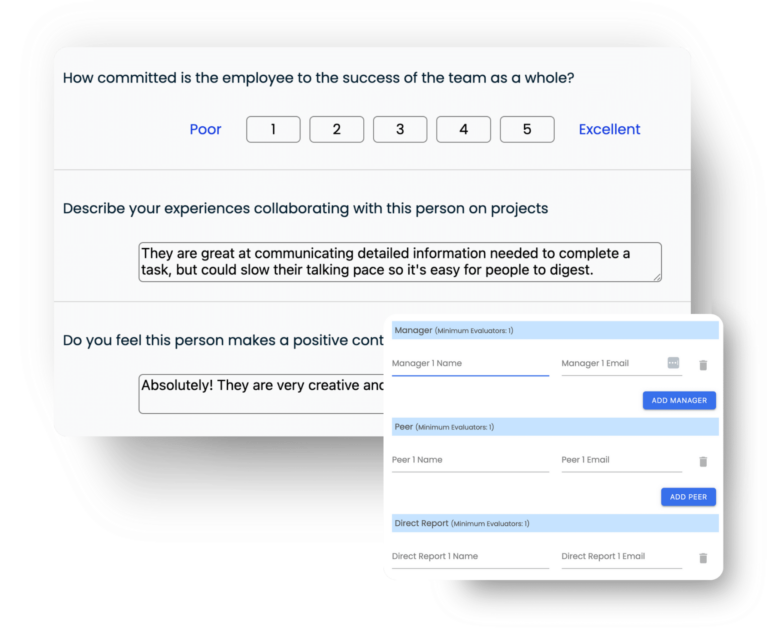
Recruiters and HR professionals can use assessment questions to screen candidates before interviews, evaluate role alignment, and identify skills, experience, and workplace preferences that may influence success. Assessments can also support employee development by using 360 assessment questions to gather feedback from peers, managers, and direct reports, giving HR teams a more complete view of performance, leadership capabilities, and opportunities for growth.
Benefits for Coaches
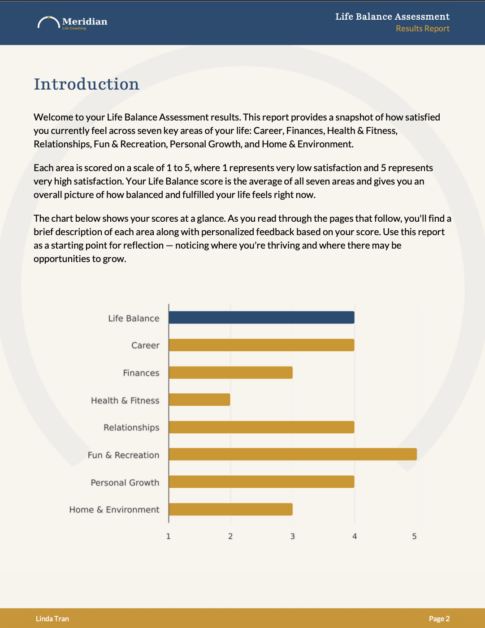
Business, executive, health, and life coaches can use assessment questions to determine a prospective client’s readiness, motivation, goals, and commitment before investing time in consultations. By understanding what a client wants to achieve, what they’ve already tried, and what might be holding them back, coaches can identify strong-fit clients and make initial conversations more focused and productive.
Benefits for Consultants
Consultants can use pre-qualifying assessments to quickly understand a prospect’s project scope, key challenges, budget expectations, timeline, and decision-making authority before beginning proposal discussions. These insights help consultants identify opportunities that match their expertise, prepare more relevant recommendations, and avoid spending valuable time developing proposals for projects that aren’t the right fit.
Get Clear on Who You’re Filtering For
Before creating assessment questions, you need to know exactly what you’re screening for. Start by defining both your ideal client and your “anti-client”: the type of prospect or engagement that’s unlikely to produce a good outcome.
To determine what separates a strong-fit prospect from a poor-fit one, consider five key areas: the problem they need to solve, their current stage, their available budget or resources, their values, and their readiness to take action. These factors can help you identify the characteristics your assessment should screen for.
For example, a leadership coach’s ideal client might be a recently promoted executive who recognizes a specific leadership challenge, is willing to act on feedback, and has the resources to invest in a six-month engagement.
The anti-client might be someone looking for a quick fix, unwilling to make changes, or seeking a service the coach doesn’t provide.
These characteristics are the raw material for your assessment. They aren’t the finished questions.
A useful exercise is to review your three best and three most difficult past clients, customers, projects, or hires. Ask yourself what patterns separated the two groups.
Look for differences such as:
- How clearly did they understand their problem?
- How urgent was solving it?
- What had they already tried?
- Were the necessary resources available?
- Who could approve the decision?
- How did they respond to recommendations or feedback?
- What expectations did they have about results?
Once you’ve identified those patterns, you can turn them into questions that reveal whether a new prospect shares similar characteristics.
The 5 Types of Pre-Qualifying Questions (With Examples)
A useful pre-qualification assessment doesn’t need a ton of questions. In many cases, a focused set of questions across five categories can reveal a great deal. The most effective assessments combine several different question categories instead of focusing on only one.
1. Problem-Fit Questions
Problem-fit questions confirm whether the prospect actually has the problem your service is designed to solve—worth knowing before you ever get on a call.
Instead of asking a generic question such as “Do you need consulting help?”, get specific about the challenges you address.
Example assessment questions might include:
- Which challenge is currently having the biggest impact on your organization?
- What prompted you to look for a solution today?
- Which of these outcomes are you struggling to achieve?
These questions quickly distinguish ideal prospects from people whose needs fall outside your expertise. You could also offer several specific challenges as multiple-choice answers. The responses help determine whether the prospect’s primary problem falls within your consulting area of expertise.
This also gives the prospect something valuable: a chance to clarify what’s actually getting in their way.
2. Stage and Readiness Questions
Two prospects can have exactly the same problem, but be at completely different stages of solving it.
One may be researching options for next year, while the other may need a solution within the next 30 days.
To gather that type of information, try asking questions like:
- Which best describes your current stage?
- What have you already tried to solve this problem?
- How soon are you hoping to implement a solution?
These responses often predict buying readiness better than asking whether someone is “serious.” The second question can be particularly revealing; it provides insight into the prospect’s experience, level of commitment, and possible frustration with previous solutions. Then, you have the valuable knowledge of what didn’t work for them, and how to not repeat it if you work together.
3. Resource and Authority Questions
Questions about budget, resources, and decision-making authority can feel uncomfortable when they’re phrased too aggressively. Ranges can make these questions easier to answer.
Instead of asking if there is a budget for services, consider phrasing your questions in some of these ways:
- Which investment range best fits your current project?
- Who will be involved in making this decision?
- When would you ideally begin implementation?
Using ranges rather than exact figures encourages more honest responses. The goal isn’t necessarily to disqualify anyone who isn’t the final decision-maker. Instead, the answer helps you understand the buying process before entering a conversation.
4. Values and Mindset Questions
A client can have the right problem and budget, yet still be a poor working fit.
Values and mindset questions help uncover how someone prefers to work, and whether their expectations align with your approach.
A coach, for example, might ask: “When you receive challenging feedback, what are you most likely to do first?”
Possible answers could range from immediately experimenting with a new approach, to taking time to reflect or seeking additional evidence.
There isn’t always one universally “correct” response. The best answer depends on the type of working relationship your service requires.
Other questions might include:
- Which statement best describes how your organization approaches change?
- How important is collaboration during implementation?
- Which value is most important when selecting a partner?
These questions help you to better identify alignment, or a potential lack thereof, before work begins.
5. Goals and Outcome Questions
People buy outcomes, not services. Before you begin a new working relationship, find out what success means to the prospect.
Example questions include:
- What does success look like six months from now?
- Which measurable result would create the biggest impact?
- If this project succeeds, what changes first?
For a more structured response, you could ask prospects to rank potential outcomes in order of importance.
Understanding desired outcomes helps you determine whether expectations are realistic, and whether your service is equipped to deliver what matters most. It also gives you valuable context if the prospect progresses to a discovery call.
Where 360 Assessment Questions Can Support
For HR and people-development professionals, 360 assessment questions serve a somewhat different purpose.
Rather than collecting information from a single prospect, a 360 assessment gathers perspectives from multiple people, often including the individual being assessed, peers, direct reports, and managers.
Instead of relying on one person’s perception, organizations gain a balanced understanding of leadership effectiveness, communication, collaboration, and performance.
How to Phrase Assessment Questions So They Reveal the Truth
Knowing what to ask is only half of the job. How you phrase a question can significantly influence the quality of the answer.
Specific questions usually produce more useful information than vague ones. Let’s compare the question “Are you serious about improving your leadership skills? with “What actions have you taken in the past six months to improve your leadership skills?”
The first question is biased towards the preferred answer, as very few prospects would voluntarily select “No, I’m not serious!” The second question asks for evidence of action.
You should also avoid leading questions that tell respondents what you want to hear. The Pew Research Center offers useful guidance on questionnaire design, including the effects that question wording and answer choices can have on responses.
Sensitive subjects, such as budget, can benefit from neutral framing and predefined ranges. Explain why you’re asking, and include an option for respondents who haven’t decided yet.
Formatting Assessment Questions
When creating assessment questions in Agolix, match the format to the information you actually need:
- Use binary questions for clear yes-or-no criteria.
- Use multiple choice or drop-downs to categorize and segment respondents.
- Use scales to measure intensity, confidence, frequency, or agreement.
- Use ranking questions to uncover priorities.
- Use narrative questions when context matters more than easy scoring.
Don’t use an open text box when a multiple-choice question would give you cleaner data. On the other hand, don’t force a complex experience into a yes-or-no answer simply because it’s easier to score.
The right format makes the assessment easier for prospects to complete, and the results easier for you to use.
Scoring and Segmenting Assessment Responses
Once you have the right questions, you can turn individual answers into a pre-qualifying system.
Start by deciding which responses indicate strong fit, and which suggest the prospect needs a different next step.
You might divide respondents into three broad segments:
- Ideal fit: Meets your most important criteria and is ready for the next step.
- Nurture: Has potential but isn’t ready yet because of timing, resources, or another factor.
- Not a fit right now: Has needs that don’t align with your offering or is missing a critical requirement.
Not every question needs the same weight.
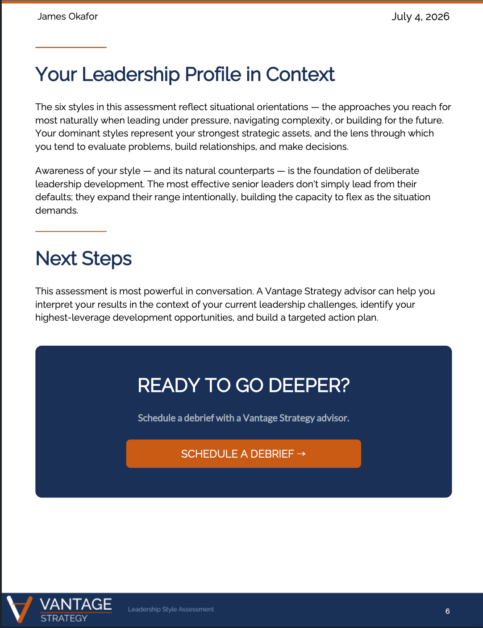
For a consultant, having the specific problem they solve may be essential, while the exact project start date could be flexible. For a coach, willingness to participate actively in the process might carry more weight than previous coaching experience.
Assign scoring based on what actually predicts a successful engagement.
You can also use conditional or skip logic to create a more relevant experience. If someone indicates that they’re still researching solutions, for example, subsequent questions could focus on education and priorities rather than immediate implementation.
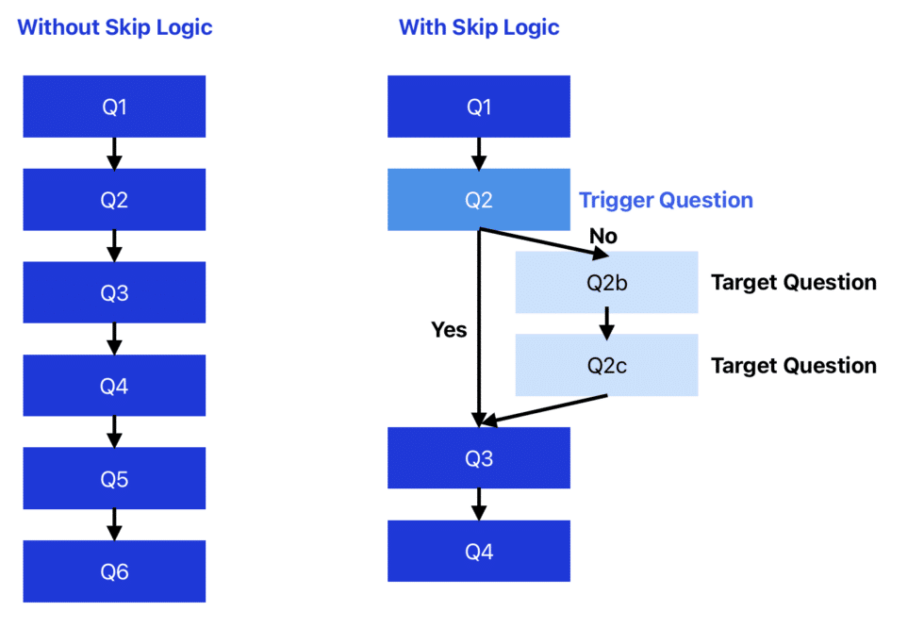
Most importantly, don’t treat a “not a fit” result as a dead end.
An assessment should provide value regardless of the outcome. Someone who isn’t ready for your premium consulting engagement might receive an educational resource. A coaching prospect who needs more preparation could be directed to a workshop. A candidate who isn’t suited to one role might be encouraged to explore other opportunities.
A useful result protects your time without making the respondent feel that completing the assessment was a waste of theirs.
Build Your Assessment Faster with Agolix AI
Knowing what you want to ask is one thing, but turning those ideas into a polished assessment is another. Whether you’re building an assessment for hiring, coaching, consulting, or customer intake, getting started can often be the hardest part.
Agolix’s AI-powered Assessment Generator removes that barrier by helping you create a structured first draft in minutes. Simply describe your audience, the purpose of your assessment, the outcomes you want to measure, and the types of questions you’d like to include. From there, the AI generates a tailored assessment that you can review, refine, and customize to match your goals.
If you need to expand or improve your assessment, the AI Question Generator can quickly suggest a wide variety of questions and answers for inspiration, such as:
- Multiple-choice options
- Rating scale questions
- Follow-up prompts
- Open-ended questions
It can even generate ideas for generative AI assessment questions and answers, giving you a strong starting point that you can edit to fit your specific audience.
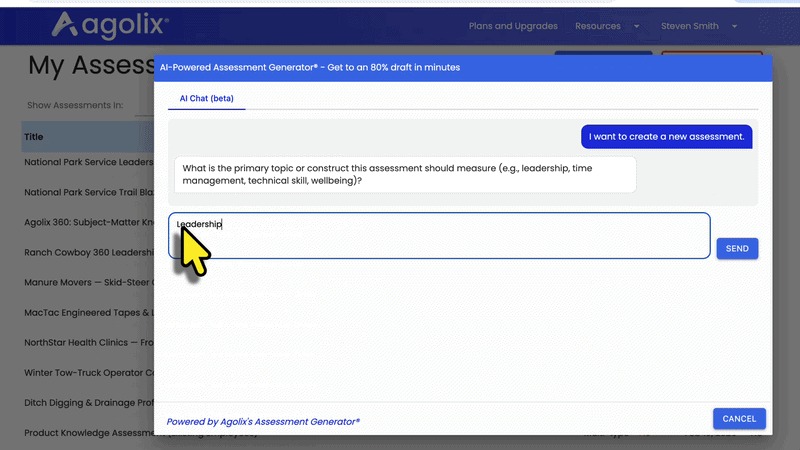
Rather than replacing your expertise, Agolix helps you move past the blank page so you can focus on creating an assessment that delivers meaningful insights. Every AI-generated question is fully editable, allowing you to adjust the wording, reorder questions, modify scoring, and add your own expertise before publishing.
Once your assessment is ready, you can apply your organization’s branding to create a professional, seamless experience from the very first interaction.
Turn Your Best Questions Into a Pre-Qualifying System
The strongest businesses don’t simply ask better questions; they build systems that ask those questions consistently.
Whether you’re consulting with organizations or collecting 360 assessment questions, thoughtful assessments help you spend more time with the people most likely to benefit from your expertise.
By learning how to write assessment questions that uncover readiness, goals, resources, and mindset, you’ll create a smoother experience for your audience while reducing unnecessary meetings and administrative work.
Don’t be afraid to start small; draft your first five questions around problem fit, readiness, resources, values, and desired outcomes.
Or, skip the blank page entirely by using Agolix’s AI-powered Assessment Generator to build a complete draft in minutes.
The right assessment doesn’t just collect answers; it helps the right people move forward.
Ready to build your own pre-qualifying assessment? Get building with Agolix today, and see how quickly you can design professional assessments that qualify leads, improve hiring decisions, and deliver better experiences from the very first interaction.