



A new client signs on full of excitement, the kickoff meeting goes well, and everyone is energized about the work ahead! That is, until a few weeks later, when progress stalls because you’re still waiting on a questionnaire, approval, or key information.
This is a common challenge for coaches, consultants, and service providers, and without strong accountability even great work can lose momentum.
The good news is that accountability can become a powerful driver of client engagement, stronger relationship management, and better outcomes for everyone involved. With the right onboarding process, proactive communication, and tools like an AI-powered assessment generator, you can keep clients moving forward while improving satisfaction and retention.
The Accountability Problem: Why Clients Lose Momentum
Many professionals assume clients leave because they are unhappy, but stalled client momentum is often the hidden culprit behind their dissatisfaction.
Think about the last time a client disengaged from a project. Chances are the issue wasn’t that the work itself was poor. More often, the project lost energy, deadlines slipped, and communication slowed. The client stopped seeing progress, and without visible progress, perceived value began to decline.
When projects stall:
- Results take longer to achieve
- Clients perceive less value
- Enthusiasm declines
- Scope creep increases
- Renewals become less likely
Research has repeatedly emphasized the importance of maintaining client momentum and demonstrating ongoing value throughout customer relationships. According to insights from Gallup, when clients have a greater overall experience tailored to their specific goals and timeline, they are more likely to remain engaged and committed to long-term partnerships.
This is why accountability in client relationships is so important.
Why Accountability Actually Matters
Accountability is often misunderstood as policing. In reality, effective accountability is rooted in mutual respect. It acknowledges that both parties have responsibilities that contribute to success. The service provider brings expertise, strategy, and execution while the client contributes information, feedback, approvals, and participation. The distinction becomes especially important when comparing transactional businesses to relationship-driven businesses.
- A transactional provider delivers exactly what was requested, and waits for the client to respond.
- A trusted partner, on the other hand, sees client success as a shared responsibility. They understand that delivering excellent work isn’t enough if the client never reaches the desired outcome.
As a result, they create systems and processes that help maintain momentum throughout the engagement. This leads to more resilient client relationships, and significantly better outcomes for everyone involved.
Set the Stage from Day One: The Power of Onboarding
The best accountability conversations don’t begin after a missed deadline; they begin during onboarding.
Too often, onboarding focuses exclusively on explaining services and gathering information. While those elements matter, the most effective onboarding experiences also establish expectations around participation and collaboration.
One of the most powerful tools for achieving this is a customer journey map.
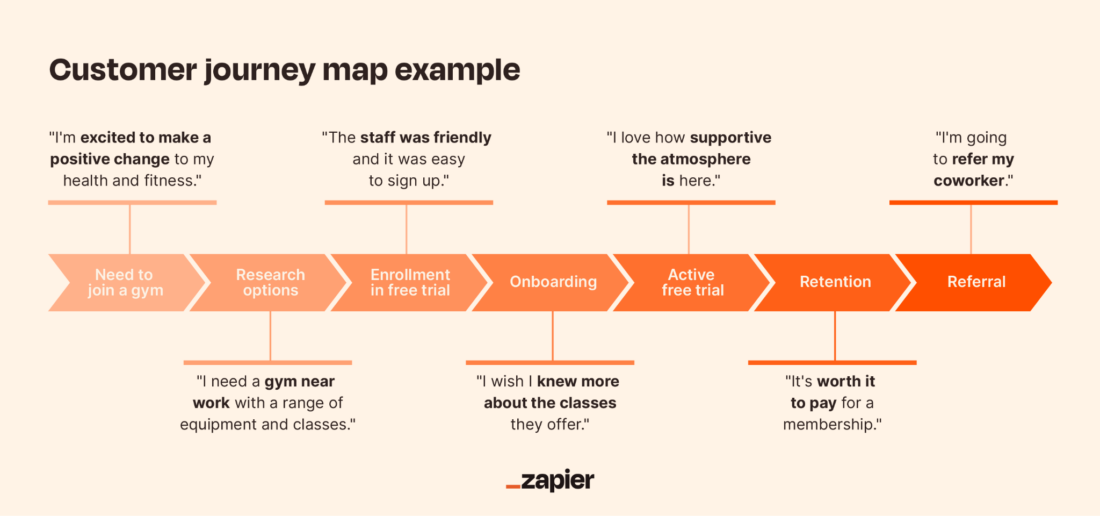
During the kickoff process, walk clients through the entire customer journey from beginning to end. Show them the major milestones, explain where key decisions occur, and identify the moments when their input is essential for progress. When clients can visualize the journey ahead, they gain a clearer understanding of how their actions influence results.
Tailor the Experience
Personalization also plays a significant role in successful onboarding. Generic welcome packets often overwhelm clients with too much information at once. Long checklists, broad instructions, and extensive documentation can unintentionally create friction before the relationship even begins.
Instead, tailor the onboarding experience to the specific client. Personalize the tasks, resources, and assessments to the client’s specific goals, challenges, industry, and stage of their journey, rather than giving every client the same generic checklist.
According to research from the Nielsen Norman Group, reducing cognitive load improves task completion and user engagement. In practical terms, this means clients are more likely to follow through when information is presented clearly and in manageable stages. Present information gradually, and focus on the immediate next steps rather than every future requirement.
Gamify Information Gathering
An especially effective way to reduce friction is by replacing static intake forms with an interactive assessment during onboarding. Traditional intake forms often feel like administrative chores, while interactive assessments create a different experience through a back-and-forth with customized results and feedback. They guide clients through the information-sharing process in a way that feels engaging, personalized, and purposeful.
When information gathering becomes easier and more enjoyable, participation naturally increases.
Communication: The Antidote to Client Delays
Most client delays aren’t statements or acts of resistance; they’re symptoms of competing priorities.
Like you, your clients are managing businesses, leading teams, serving customers, and juggling countless responsibilities. The project you’re working on may be important to them, but it isn’t always the most urgent item on their daily schedule.
Recognizing this reality changes the tone of accountability conversations.
Instead of approaching follow-ups with frustration, successful service providers approach them with empathy. Their goal isn’t to pressure clients, but to help clients stay connected to the outcomes they originally wanted.
This shift is especially important when it comes to reminders. From setting an overarching timeline to incorporating regular follow-up calls, calendar reminders, and check-ins, there are many ways to stay engaged and connected.
Shift from Reactive to Proactive
Many professionals wait until a deadline has already passed before reaching out. Unfortunately, by that point the conversation often feels corrective.
A more effective approach is proactive communication.
Consider the difference between these two messages: “Just checking to see if you’ve completed the questionnaire.”
Now, compare that with: “Once we receive your responses, we’ll be able to finalize your strategy and move into implementation. Completing the assessment this week keeps us on track for your planned launch date.”
The second message doesn’t just request action, but connects action to value. That distinction matters; clients are more likely to respond when they understand how a task contributes directly to their desired outcome.
Balance Technology with the Human Touch
Technology can help support these efforts. Automated reminders, milestone notifications, and scheduled follow-ups ensure important tasks don’t slip through the cracks. However, automation should complement relationships rather than replace them.
When a critical milestone is in jeopardy, personal outreach remains invaluable. A brief phone call or personalized email often resolves issues faster than a sequence of automated reminders ever could.
Automation can support accountability, but it shouldn’t replace relationships. Strong relationship management combines efficiency with empathy. Agolix helps you with this by offering automated reminders and notifications, real-time reporting to share and review, and a user-friendly platform that reduces friction.
5 Tools and Tactics to Keep Clients on Track
Accountability is most effective when it’s built into your client experience rather than treated as an occasional intervention. The goal isn’t to remind clients about every missed task, but to create an environment where progress is visible, communication is consistent, and engagement remains high throughout the relationship. The following tools and tactics can help you achieve exactly that.
1. Transparent Project Tracking
One of the easiest ways to improve accountability in client relationships is to eliminate ambiguity around ownership and deadlines.
Shared project management platforms such as Asana, Monday.com, and Trello allow clients to see exactly where a project stands at any given moment. Instead of relying on scattered emails or verbal updates, both parties have access to a centralized dashboard that outlines tasks, responsibilities, and timelines.
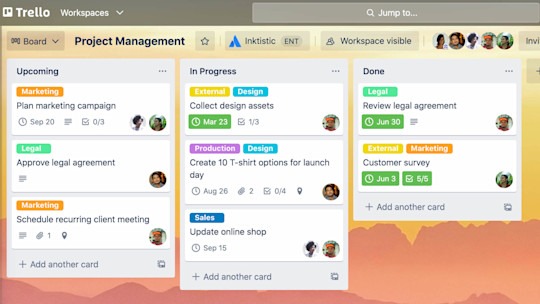
This level of transparency creates a subtle form of accountability. When everyone can clearly see who owns a task and when it’s due, there’s a natural incentive to follow through. Visible task ownership also helps prevent misunderstandings. Clients know what is expected of them, and service providers spend less time tracking down updates. The result is smoother collaboration and fewer project delays.
2. Monitor Digital Body Language
Clients often communicate their level of engagement long before they explicitly say anything.
Their behavior can provide valuable clues about how invested they are in the process. This concept, often referred to as digital body language, includes signals such as email opens, portal logins, assessment completions, document views, and link clicks.
A client who regularly engages with your content and communications is typically moving forward with confidence. On the other hand, a noticeable drop in activity may indicate confusion, overwhelm, competing priorities, or waning interest.
Rather than waiting for missed deadlines to reveal a problem, use these signals as an early warning system. If a client suddenly stops responding to emails, don’t continue sending reminder after reminder through the same channel. Consider reaching out via text message, phone call, Slack, or another communication method they use regularly.
Proactively adjusting your approach can often re-establish engagement before the relationship begins to suffer.
3. Gathering Feedback and Showing Value Through Regular Check-Ins
Not every client concern becomes immediately visible. In many cases, frustration builds gradually until it eventually affects engagement and progress.
Regular check-ins help prevent this by creating a structured opportunity for dialogue. Whether scheduled monthly or at key project milestones, these conversations allow both parties to discuss wins, challenges, and upcoming priorities.
More importantly, check-ins create a safe space for accountability discussions.
When a client falls behind on deliverables or struggles to complete assigned tasks, a check-in allows you to address the issue collaboratively rather than reactively. Instead of focusing on blame, the conversation can focus on identifying obstacles and determining what support is needed to move forward.
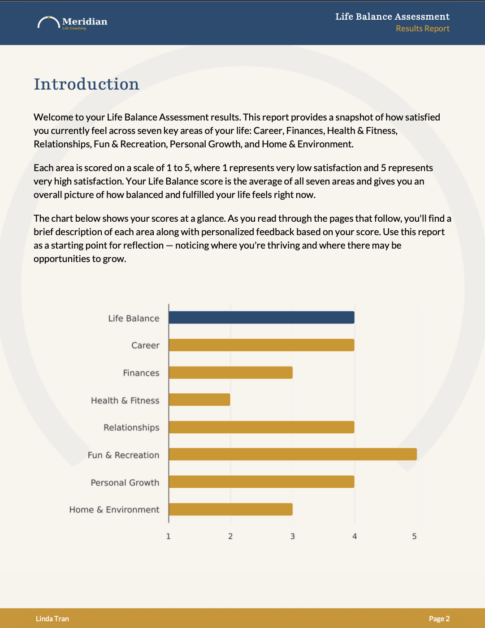
Structured feedback loops also reinforce value. Clients are reminded of progress made, goals achieved, and the work being done behind the scenes. This ongoing visibility helps maintain client engagement and reduces the likelihood that small concerns grow into larger frustrations.
4. Master the Quarterly Review
Even highly engaged clients benefit from periodic strategic reviews.
Quarterly Business Reviews (QBRs) provide an opportunity to step back from daily activities and evaluate the broader relationship. These meetings help both parties assess performance, identify challenges, and align on future priorities.
An effective QBR can be organized around three key areas:
- Recap: Review accomplishments, completed initiatives, key metrics, and measurable outcomes achieved during the quarter.
- Roadblocks: Discuss obstacles that slowed progress, including missed deadlines, communication challenges, resource limitations, or accountability gaps.
- Strategy: Define priorities, goals, and action items for the upcoming quarter.
The value of a QBR extends beyond reporting results. It gives both the client and service provider a chance to reset expectations and refocus on shared objectives. Often, these conversations reignite enthusiasm and create renewed momentum heading into the next phase of the engagement.
5. Optimize Client Sentiment
Understanding how clients feel about the relationship is just as important as tracking project performance.
A simple quarterly Net Promoter Score (NPS) survey can provide valuable insight into client satisfaction and engagement. By asking clients how likely they are to recommend your services, you gain a clear indicator of relationship health.
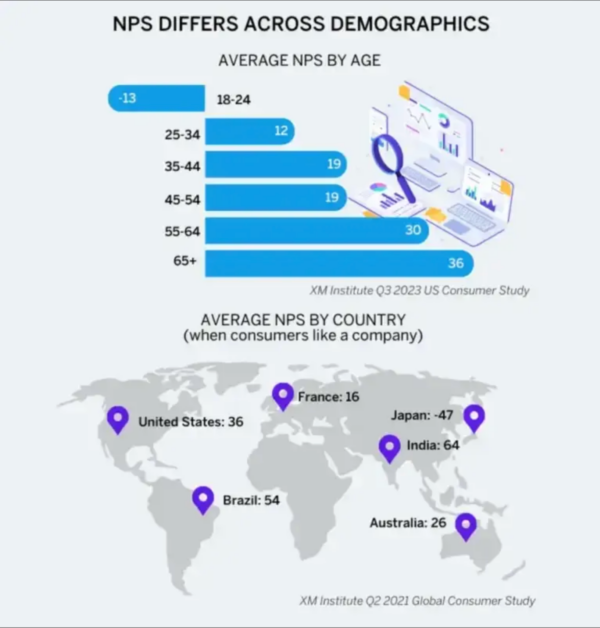
Clients who score as “promoters” are your strongest advocates. These individuals are often ideal candidates for testimonials, case studies, referrals, and public endorsements. Their positive experiences can become powerful social proof that supports future business growth.
Conversely, clients who score as “detractors” should receive immediate attention. A low score often signals unresolved concerns or unmet expectations. Reaching out quickly allows you to address issues before they lead to disengagement or client churn.
Monitoring client sentiment regularly helps ensure that accountability conversations take place within a healthy and supportive relationship.
The Big Picture: Loyalty, Retention, and Growth
While these tools and tactics help keep projects moving forward, their true value extends far beyond meeting deadlines.
Strong accountability systems create better client experiences. When clients stay engaged, they achieve results more consistently. When results improve, satisfaction increases. And when satisfaction increases, relationships tend to last longer.
This is why accountability plays such a critical role in improving client retention rates.
Clients who remain actively involved throughout the process are more likely to renew services, expand engagements, and continue investing in the relationship. Effective accountability also helps reduce scope creep because expectations, responsibilities, and progress are continually reinforced.
Over time, these successful client relationships generate additional value beyond retention. Satisfied clients become enthusiastic advocates who provide testimonials, referrals, and case study opportunities. Their success stories serve as powerful social proof that attracts new business and strengthens your reputation.
Ultimately, accountability isn’t about making clients comply with a process. It’s about helping them achieve meaningful outcomes. When clients feel supported, guided, and invested in their own success, accountability becomes a catalyst for loyalty, retention, and sustainable growth.
How Agolix AI-Powered Assessments Can Uphold Accountability
Without client participation, even the best strategies struggle to produce results.
Agolix helps coaches, consultants, HR professionals, and business experts create AI-powered assessments that simplify onboarding, gather meaningful client data, and encourage ongoing engagement. Rather than spending hours building custom questionnaires, professionals can create tailored assessments in minutes.
As clients move through onboarding and progress assessments, service providers can gain deeper insights into goals, challenges, and performance. At the same time, clients become more invested in the process because they’re actively participating in it.
The result is stronger client engagement, better visibility into progress, and more effective accountability in client relationships.
By turning information gathering into an interactive experience, Agolix helps clients stay engaged from day one.
This creates a stronger foundation for accountability in client relationships while reducing administrative burden for coaches and consultants.
Assessments Promote Interactivity and Accountability
If holding clients accountable sometimes makes you feel like the bad guy, you’re not alone. Many service providers struggle with the tension between maintaining momentum and preserving relationships.
Don’t think of it as pressuring a client; think of it as partnering with them so you can mutually keep on schedule towards a shared end goal.
When clients invest time, money, and trust into a program or service, they deserve a partner who helps them stay committed to the process. Protecting their investment and guiding them toward results is part of delivering exceptional service.
By combining transparent project management, proactive communication, personalized onboarding experiences, and structured feedback loops, accountability becomes less about reminders and more about results. And when AI-powered assessments are integrated into that process, accountability becomes even easier to maintain.
If you’re looking to strengthen your relationship management and discover how to improve client retention rates, consider adding assessments to your workflow. With Agolix’s AI-powered Assessment Generator, accountability becomes a natural part of the client journey.
Get started with Agolix today and start building stronger, longer-lasting client relationships.