



Growing a coaching business takes time, effort, and consistent marketing. Losing clients can erase that hard-earned progress faster than many coaches realize. Research consistently shows that acquiring a new customer costs significantly more than retaining an existing one. While estimates vary by industry, organizations widely recognize that retention is more cost-effective than acquisition.
Instead of relying on intuition alone, assessments give coaches measurable insights throughout the client journey. Keep reading to learn how you can use assessments at every stage of your coaching practice to reduce client churn, improve the client retention rate, and create an experience that clients genuinely want to continue!
What Client Churn Really Costs and How to Measure It
Before you can improve retention, you need to understand what you’re measuring.
Client churn refers to the percentage of clients who stop working with your coaching business during a given period.
The client churn rate can be calculated using a simple formula:

For example: You begin the quarter with 50 coaching clients. 5 of those clients leave before the quarter ends.
Your client churn rate is: (5 ÷ 50) × 100 = 10%
Equally important is your client (or customer) retention rate, which measures the percentage of clients who continue working with you.
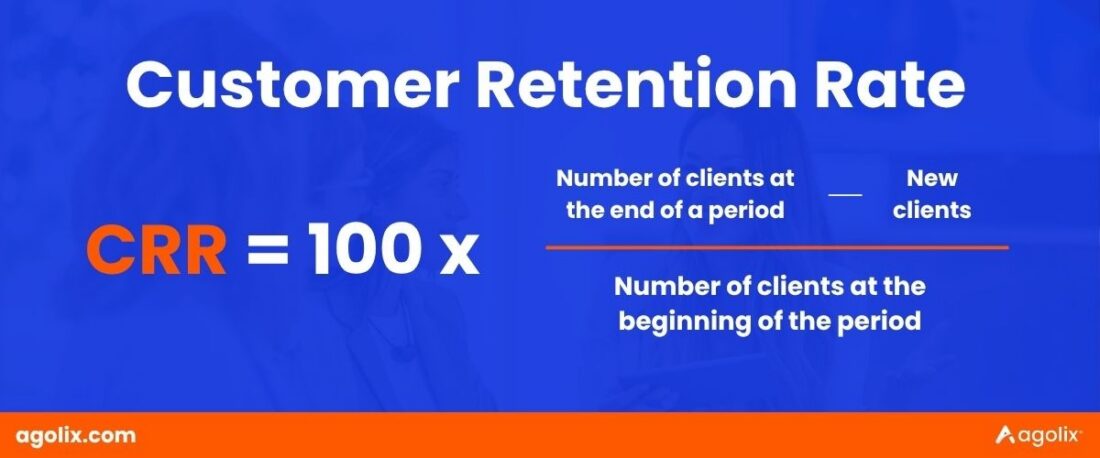
Tracking these numbers every month or quarter gives you a clearer picture of your business health than looking at revenue alone.
Client Churn Analysis Goes Beyond Cancellations
Many coaches think churn begins when someone cancels. In reality, churn usually starts much earlier.
A strong client churn analysis looks for patterns, such as:
- Declining session attendance
- Missed assignments
- Reduced communication
- Lower motivation
- Unclear goals
- Lack of measurable progress
- Clients who were a poor fit from the start
The challenge is that most of these warning signs aren’t obvious until they’re already affecting the coaching relationship.
That’s why assessments become so valuable. Instead of guessing how clients are feeling, you collect data that helps you to see it and intervene when necessary.
Churn Starts Before You Sign the Client: Use a Discovery Assessment to Qualify Fit
One of the biggest causes of churn happens before coaching even begins.
Sometimes clients simply aren’t ready, they have unrealistic expectations, or they need a different coaching style entirely. Without a structured intake process, these clients often become your first cancellations.
A Coaching Readiness & Fit Assessment helps identify:
- Commitment level
- Goal clarity
- Motivation
- Expectations
- Preferred coaching style
- Readiness for change
Rather than relying solely on a discovery call, coaches can use assessment scoring to identify potential concerns before enrollment.
With Assessment Generator by Agolix, coaches can build a customized Coaching Readiness & Fit assessment that automatically scores responses and highlights areas of concern.
Instead of enrolling every lead, coaches can:
- Recommend additional resources
- Suggest a different program
- Delay enrollment until the client is ready
Preventing poor-fit enrollments is one of the easiest ways to reduce client churn before it ever begins.
Set Expectations and Capture a Baseline with an Onboarding Assessment
The first few weeks of coaching often determine whether clients stay. If expectations aren’t aligned, disappointment can follow, even when the coaching itself is effective.
An onboarding assessment creates a shared understanding of:
- Current challenges
- Desired outcomes
- Confidence levels
- Skills
- Habits
- Success metrics
Most importantly, it establishes a baseline level of a client’s current situation and where they want to go. From an assessment standpoint, there are scores and categories you can start with and measure progress from. Without a baseline, clients often struggle to recognize their own progress. They may feel they’re standing still, when they’ve actually made meaningful improvements.
An onboarding assessment built in Agolix can automatically generate a personalized report that clients receive immediately. The report documents where they started, providing an objective “before” snapshot that becomes incredibly valuable later.
Make Progress Impossible to Ignore with Regular Re-Assessments
One of the most common reasons clients leave coaching isn’t because the coaching failed, but because they don’t feel like they’re making progress.
Feelings are subjective, but data is objective.
Regular re-assessments compare a client’s current results against their original baseline.
Examples include improvements in:
- Confidence
- Leadership skills
- Emotional resilience
- Productivity
- Communication
- Goal achievement
Seeing progress increases motivation, and also reinforces the value of continued coaching.
With Agolix, coaches can easily reuse an existing assessment at key milestones throughout the coaching engagement. The platform stores assessment history and automatically generates side-by-side comparison reports, making it simple for clients to see how their scores have changed over time. Rather than simply telling clients they’re making progress, coaches can show them concrete evidence of their growth.
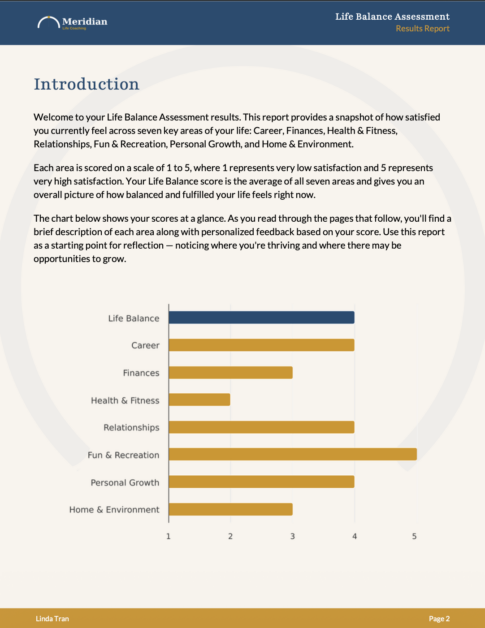
When clients can clearly see how far they’ve come, they’re more likely to stay engaged, remain motivated, and continue investing in the coaching process. That’s one of the most effective ways to increase client retention and reduce the likelihood of client churn.
Catch Disengagement Early with Pulse Check-Ins
Most clients don’t decide to leave a coaching program overnight. More often, disengagement happens gradually.
A client who once eagerly completed assignments may start missing deadlines, or someone who regularly shared wins might become quieter during sessions. This shift can happen for many reasons. They may feel overwhelmed by competing priorities, lose motivation after hitting a plateau, become discouraged by slower-than-expected progress, or struggle to see how the coaching is helping them move toward their goals. In some cases, changing personal or professional circumstances can make it harder to stay engaged.
Whatever the cause, attendance becomes inconsistent, enthusiasm fades, and small setbacks begin to add up. By the time a client says they’re ready to stop coaching, these warning signs have often been present for weeks.
Regular pulse check-ins help coaches spot these subtle changes before they become reasons for a client to leave. A brief assessment of 3-5 questions, sent weekly or biweekly, can quickly reveal how a client is feeling about their progress and where they may need additional support. Because the check-in takes only a minute or two to complete, clients are more likely to respond consistently, giving coaches a steady stream of insights throughout the engagement.
Questions might include:
- How motivated do you feel this week?
- How confident are you about achieving your current goals?
- How satisfied are you with your coaching progress?
- Are there any obstacles preventing you from moving forward?
These assessments take just a few minutes to complete, but they provide valuable insights that might never come up during a coaching session. If a client’s motivation or satisfaction score begins to decline, it’s an opportunity to reach out, adjust the coaching plan, or address concerns before they grow into disengagement. Instead of reacting after a client has already decided to leave, coaches can proactively strengthen the relationship and keep clients moving toward their goals.
Personalize the Journey with Multi-Type Assessments
No two clients approach coaching in exactly the same way. Some thrive on accountability and structured action plans, while others need time to reflect before taking their next step. Some are motivated by measurable goals and performance metrics, while others are driven by purpose, relationships, or personal growth. When every client receives the same coaching experience, it’s easy for sessions to feel generic and uninspired.
Multi-type assessments allow you to score respondents across different categories or distinct personality profiles. This format utilizes unique question types like Forced Choice and Ranking to automatically grade responses and deliver personalized PDF reports that highlight the respondent’s main styles, strengths, and blind spots.
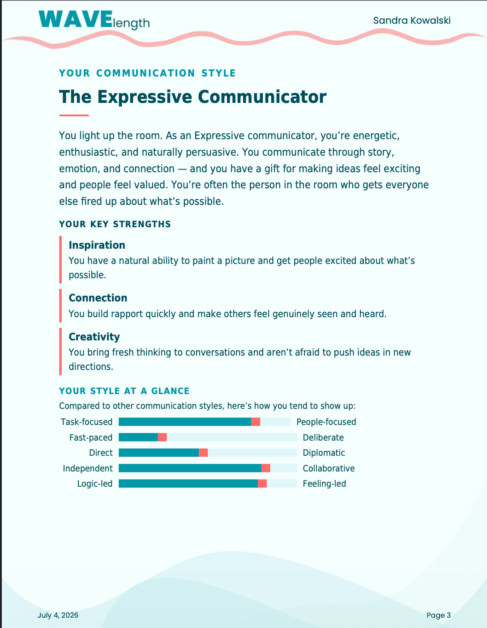
These insights make it easier to adapt everything from coaching conversations and goal-setting strategies to exercises, homework, and follow-up resources. Clients feel understood because the coaching experience reflects who they are rather than forcing them into a one-size-fits-all process.
That sense of personalization helps build trust, increases engagement, and strengthens the coaching relationship over time.
With Agolix, coaches can create custom multi-type assessments that categorize clients into coaching profiles based on their responses. Those profiles can then be used to deliver personalized recommendations, targeted exercises, curated resources, or customized action plans that align with each client’s preferred way of learning and growing.
As clients experience coaching that feels relevant to their individual goals and personality, they’re more likely to stay engaged and continue investing in the process. According to Twilio, “62% of consumers expect personalization, saying that a brand will lose their loyalty if their experience is not personalized.”
4 Steps to Turn Renewals into the Natural Next Step
For many coaches, renewal conversations can feel uncomfortable. They’re often saved for the final session, when clients are asked to decide whether they want to continue working together. Even if the coaching has been valuable, the discussion can feel more like a sales conversation than a natural progression of the client’s journey.
Instead of waiting until the end of the engagement, use these four steps to make renewals feel like the obvious next step.
Step 1: Start the Conversation Early
Don’t wait until the final session to discuss what’s next. About three to four weeks before the engagement ends, let clients know you’ll be reviewing their progress together and exploring their next stage of growth. This sets the expectation that the conversation is about their development, not a sales pitch.
Step 2: Re-Assess Progress Against the Baseline
Ask clients to complete the same assessment they took during onboarding. Comparing their current results to their original baseline provides a clear picture of how far they’ve come and highlights measurable improvements that might otherwise go unnoticed.
Step 3: Identify the Next Growth Opportunity
Once you’ve celebrated their progress, shift the conversation toward what’s next. Rather than asking if they’d like to renew, ask questions like, “What’s the next challenge you’d like to tackle?” or “Where would you like to be six months from now?”
Framing the discussion around future goals helps clients see continued coaching as the natural way to achieve them.
Step 4: Use a Progress Report to Guide the Discussion
With Agolix, coaches can use an end-of-engagement assessment to automatically generate a personalized progress report that summarizes the client’s coaching journey. The report highlights goals achieved, areas of measurable growth, remaining opportunities for development, and recommended objectives for the next phase of coaching.
Instead of relying on memory or subjective impressions, both coach and client can review tangible evidence of progress together. The renewal conversation becomes collaborative and future-focused, giving clients a compelling reason to continue investing in their development rather than feeling like they’re being asked to buy another coaching package.
Close the Loop: Measure Churn and Learn from Every Exit
Even with a strong coaching process, not every client will renew. Sometimes, they’ve achieved the goals they set out to accomplish. Other times, life circumstances change, priorities shift, or the coaching experience simply wasn’t the right fit. Whatever the reason, every client who leaves has valuable feedback that can help strengthen your coaching practice.
Rather than guessing why clients chose to move on, use an exit assessment to gather structured, actionable insights. The key is to keep the assessment short and sweet: typically no more than 5 questions, and send it immediately after a client decides to end the engagement so the experience is still fresh. Let clients know their feedback will help improve the coaching experience for future clients, and reassure them that you’re looking for honest input rather than trying to persuade them to stay.
Even if only a portion of departing clients respond, their feedback can uncover patterns that might otherwise go unnoticed and provide valuable input for your ongoing client churn analysis.
Consider including questions such as:
- What influenced your decision to end coaching at this time?
- Did the coaching experience meet your expectations?
- What could have improved your experience?
- Which aspects of coaching did you find most valuable?
- Would you recommend our coaching to others?
Over time, these responses help identify recurring themes that can guide improvements to your programs, onboarding process, communication, or coaching methodology.
Agolix makes it easy to automate exit assessments and collect feedback consistently across your client base. As responses accumulate, coaches can analyze trends to better understand what’s driving both retention and client churn.
For example, you might discover that clients tend to disengage after a particular stage of your program, or that one coaching format consistently produces higher client retention rates. These insights allow you to make informed improvements based on real client feedback rather than assumptions.
By treating every client exit as a learning opportunity, you can continually refine your coaching experience, improve your client retention rate, and build a stronger, more sustainable business over time.
Build a Retention System, Not a Rescue Mission
Most client churn isn’t caused by a single bad coaching session. Instead, it’s the result of small issues that accumulate over time: unclear expectations, invisible progress, declining motivation, or coaching that no longer feels personalized.
Strategic assessments help uncover these issues before they become cancellations.
By incorporating assessments throughout the client lifecycle, you transform retention from guesswork into a measurable system. For coaching businesses looking to scale sustainably, that’s a real competitive advantage.
If you’re ready to build assessment-driven coaching experiences that help reduce client churn, improve your client retention rate, and create stronger client relationships, start your free Agolix trial today and see how easy it is to create custom assessments that support every stage of the coaching journey.