



A client leaves a session energized, confident, and fully committed to change. They talk about ambitious client goals, outline action steps, and promise they’ll follow through before the next meeting. Then, the next session arrives and almost nothing has happened.
Every coach has experienced this, and while it’s frustrating, it’s rarely a reflection of your coaching ability. More often than not, it’s a gap in understanding. Traditional coaching conversations can uncover surface-level motivations, but they don’t always reveal the deeper behavioral patterns that shape a client’s actions.
That’s where coaching assessments can make a major difference.
The right coaching assessment tools help coaches move beyond assumptions and uncover the internal barriers affecting consistency, motivation, and accountability. Instead of relying solely on observation or intuition, coaches gain structured insights that lead to more personalized coaching strategies and better long-term outcomes.
For coaches, tools like Agolix’s assessments also create measurable opportunities to improve engagement, support stronger outcomes, and create scalable coaching solutions.
The Follow-Through Problem Is Universal
If clients failing to follow through sounds familiar, you’re not alone.
As Psychology Today recently noted, “Difficulty with follow-through is often linked to personality patterns, not a lack of motivation.”
That distinction is important, because many coaching clients genuinely care about their goals. They leave sessions energized, committed, and ready to make progress. Yet when it’s time to take action, something gets in the way.
Clients often understand what they should do but still struggle to take consistent action.
Here’s a quick example: A leadership coach works with a mid-level manager who wants to improve communication with their team. The client eagerly discusses new habits during sessions but repeatedly avoids difficult conversations at work. From the outside, it may look like resistance or lack of commitment.
In reality, the issue could stem from:
- Fear of conflict
- Low confidence under stress
- Perfectionist tendencies
- Unclear alignment with personal values
- Communication patterns the client doesn’t recognize
This distinction matters because there’s a big difference between clients who won’t act, and clients who can’t yet act due to unseen barriers. Many coaching strategies fail because they focus heavily on goal-setting while overlooking the internal dynamics driving behavior.
Surface-level goals often sound impressive, but without deeper self-awareness, even the best plans lose momentum.
4 Hidden Barriers to Client Follow-Through
When clients fail to follow through, it’s tempting to assume the issue is a lack of motivation, commitment, or discipline. In reality, the causes are often much more nuanced. Most clients genuinely want to make progress, but unseen barriers can get in the way of consistent action.
Understanding these barriers is critical because the solution isn’t always more accountability or a better action plan. Often, it’s about uncovering what’s happening beneath the surface. Here are four of the most common reasons clients stall out, and how coaching assessments can help bring those challenges into focus.
1. Misalignment Between Goals and Core Values
Sometimes the problem starts with the goal itself.
Clients may pursue goals that sound socially impressive rather than personally meaningful. A client might say they want a promotion, to launch a business, or to become a stronger leader because they feel expected to, not because those goals genuinely align with their values.
When goals are externally driven, motivation fades quickly.
This is where coaching assessments become valuable. Assessments can uncover:
- Core motivators
- Workplace preferences
- Decision-making tendencies
- Personal strengths
- Sources of stress or energy
These insights help coaches identify whether client goals truly align with who the client is.
2. Fear of Failure or Success
Not all resistance is obvious.
Some clients procrastinate because they fear failure. Others fear the expectations that come with success. Both forms of resistance can quietly sabotage progress without the client realizing it.
For example:
- A client delays launching a business because they fear criticism
- A high performer avoids leadership opportunities because they fear losing work-life balance
- A client repeatedly changes plans to avoid committing fully
Without structured insight, these behaviors can appear inconsistent or confusing.
Assessments often reveal emotional patterns that standard conversations miss. Tools focused on emotional intelligence, behavioral style, or strengths profiling can help clients recognize the fears influencing their choices.
According to cognitive scientist Sian Beilock, writing in Psychology Today, research published in Nature Neuroscience found that activating brain areas associated with self-awareness predicted successful behavior change.
3. Coaching Plans Built on Assumptions
Even experienced coaches can unintentionally build plans around assumptions.
Without reliable data, coaching recommendations often rely on observation, personal experience, client self-reporting, and first impressions. While intuition matters, it isn’t always enough.
A coach may assume a client needs stronger accountability when the real issue is cognitive overload. Another client may appear unmotivated when they’re actually struggling with uncertainty or fear of judgment.
Good intentions don’t replace good information.
Modern coaching assessment tools provide structured insights that reduce guesswork and support more precise coaching strategies.
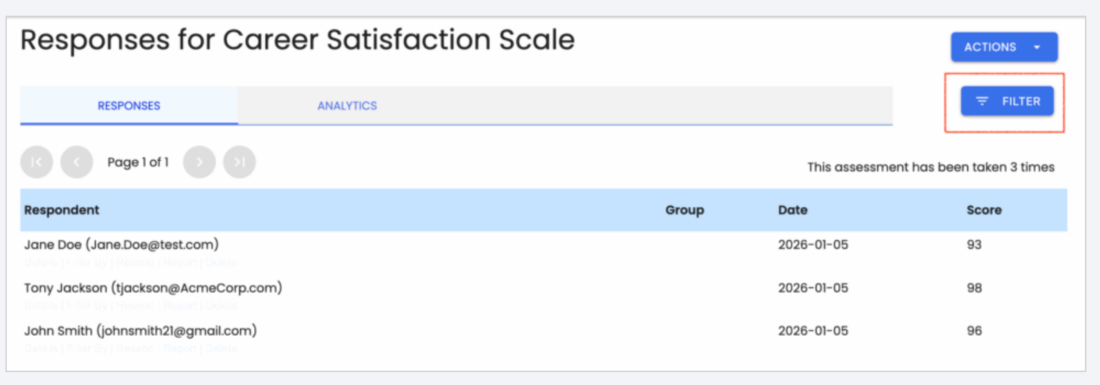
Platforms like Agolix help coaches centralize assessment data, track progress, and integrate insights directly into coaching workflows.
4. Lack of Self-Awareness Around Behavioral Tendencies
Many clients simply don’t understand how they naturally operate.
They may not recognize patterns and responses, like:
- How they respond to stress
- Their communication style
- Their preferred decision-making process
- Their conflict tendencies
- Their productivity patterns
This creates friction between the client and you as the coach. A highly analytical client may resist rapid decision-making frameworks. A relationship-oriented client may struggle with direct confrontation. A client who values structure may feel overwhelmed by vague action plans.
Without awareness of these tendencies, even strong coaching plans can feel unnatural and unsustainable.
What Strategic Assessments Actually Reveal
Many clients come into coaching believing they already understand themselves fairly well. They can describe their goals, explain their frustrations, and even identify a few habits they want to change. However, as coaching progresses, it often becomes clear that there are deeper patterns influencing their behavior that they may not be able to articulate.
That’s where coaching assessments become incredibly valuable.
A Window Into Blind Spots
One of the biggest advantages of coaching assessments is their ability to surface blind spots.
Instead of relying solely on conversation, assessments provide a structured way to uncover the hidden dynamics shaping how clients think, communicate, make decisions, and respond under pressure. In many cases, the results help clients connect dots they’ve struggled to make sense of for years.
A client who constantly avoids difficult conversations, for example, may discover through a DISC assessment that they prioritize harmony and stability so strongly that conflict feels emotionally unsafe. Another client may complete CliftonStrengths and realize they’ve been overlooking natural talents that could help them lead more confidently.

These moments of recognition are often powerful. Clients stop viewing their challenges as personal failures, and begin seeing them as understandable behavioral patterns they can work with more intentionally.
That shift creates momentum. Instead of forcing themselves into generic coaching frameworks, clients gain insight into why certain approaches feel natural, while others create resistance. Coaches, in turn, can develop more personalized coaching strategies that align with the client’s tendencies, strengths, and growth areas.
Traditional coaching conversations can absolutely create breakthroughs. But assessments add another layer of clarity by surfacing blind spots that may otherwise remain hidden beneath the surface.
A Shared Language
One of the most overlooked benefits of coaching assessments is the way they create a shared language between coach and client. Without that shared vocabulary, coaching conversations can sometimes feel vague or overly personal.
A coach might say:
- “You seem hesitant.”
- “You may be resisting change.”
- “You tend to overthink decisions.”
Even when those observations are accurate, clients can interpret them as criticism rather than insight. The conversation becomes subjective, and clients may feel misunderstood or defensive.
Assessments help shift the discussion from opinion to understanding.
For example, a client who scores high in caution on a behavioral assessment may realize their hesitation isn’t laziness, but a natural tendency to review risks before acting. Another client may discover through an emotional intelligence assessment that they shut down during conflict because they become emotionally overloaded under pressure.
Suddenly, the conversation changes. Instead of saying: “Why can’t I just follow through?” The client begins saying: “I notice I need more clarity and certainty before I take action.”
That distinction matters, because it creates self-awareness without shame. Clients often feel relieved when they can finally name behaviors they’ve struggled to explain. The conversation becomes collaborative rather than corrective.
That shared language strengthens accountability, because clients better understand why certain patterns keep appearing.
A Starting Point, Not a Label
While coaching assessments can provide powerful insights, they should never be treated as rigid definitions of who a client is.
An assessment result isn’t a box. It’s a starting point for deeper exploration.
The best coaches approach assessments with curiosity, rather than certainty. They use the results to spark reflection, uncover possibilities, and help clients better understand how they naturally operate.
For example, a client who scores highly analytical on a behavioral assessment doesn’t need to be labeled as “too cautious” or “bad at quick decisions.” Instead, the coach might explore questions like:
- When does analytical thinking become a strength?
- When does it create hesitation?
- What environments help this client feel confident enough to act?
Similarly, a highly relationship-oriented client may discover they avoid difficult conversations to maintain harmony. That insight isn’t meant to limit them; it helps explain why certain leadership situations feel uncomfortable and where growth opportunities exist.
Strong coaching assessments create awareness, not identity. The goal is never to tell clients who they are. The goal is to help them recognize patterns they can use more intentionally. Once clients understand those patterns, they can make more conscious choices instead of operating on autopilot.
That’s when assessments become truly valuable: not as labels, but as tools for growth and personalized coaching strategies.
How to Turn Assessment Insight Into Action
Assessments can generate powerful insights, but the real value emerges when coaches and clients translate those discoveries into practical actions.
This is where many coaching engagements either gain momentum or lose it. When assessment results are used to shape personalized coaching strategies, clients are more likely to follow through because the actions feel relevant, realistic, and aligned with how they naturally operate.
Create Personalized, Realistic Action Plans
One of the biggest reasons coaching plans fail is because they’re built around what should work instead of what realistically fits the client.
Generic action plans often sound motivating in theory:
- Wake up earlier
- Network more
- Speak up in meetings
- Set bigger goals
- Push harder
But if those recommendations clash with the client’s natural tendencies, the plan quickly becomes exhausting to maintain.
Assessment-informed coaching strategies create a different approach. Instead of forcing every client into the same framework, coaches can design action plans that align with how the client naturally thinks, communicates, and responds to pressure.
Put Example into Practice
Imagine two clients with the same goal: improving leadership communication.
Client A scores high in caution and analytical thinking. They avoid speaking up because they fear saying the wrong thing.
Client B scores high in dominance and decisiveness. They communicate quickly but struggle with empathy and listening.
If both clients receive identical coaching strategies, one or both will likely struggle.
Assessment-informed coaching changes that:
- Client A receives gradual exposure exercises and confidence-building communication practices
- Client B works on slowing conversations, active listening, and emotional awareness
Same goal, but a completely different path. That’s the value of personalized coaching assessments.
Link Follow-Through to Self-Awareness
Clients become more consistent when they understand the reasons behind their behavior. Self-awareness transforms accountability from external pressure into internal ownership.
When clients understand the behavioral patterns underneath their actions, the conversation changes.

For example, a client who understands they shut down during overwhelm can proactively break projects into smaller milestones before stress escalates. A people-pleasing client who recognizes their tendency to avoid conflict can practice setting boundaries earlier instead of waiting until resentment builds.
That shift from blame to understanding is often what unlocks lasting progress.
Create a Feedback Loop for Continuous Growth
Self-awareness is powerful, but it becomes even more valuable when clients regularly reflect on how their insights are influencing their behavior and results.
One of the most effective ways to reinforce assessment-based coaching is to create an ongoing feedback loop. Rather than treating assessments as a one-time event, coaches can use them as a reference point for continuous learning and adjustment throughout the coaching engagement.
A simple feedback loop might look like this:
Assessment Insight → Action → Reflection → Adjustment → Continued Action
After implementing a new strategy, encourage clients to reflect on questions such as:
- What felt natural about this approach?
- What felt challenging or uncomfortable?
- What helped me follow through?
- Where did I encounter resistance?
- What did I learn about myself through this experience?
- How should I adjust my approach moving forward?
These reflections often reveal new insights that further refine the coaching process.
Creating this kind of feedback loop also helps coaches evaluate whether the strategies being used truly fit the client. Over time, clients begin developing the habit of observing their own behavior, learning from their experiences, and making intentional adjustments. This ongoing cycle strengthens self-awareness, improves follow-through, and creates a more sustainable path toward achieving their client goals.
For coaches using assessment platforms like Agolix, feedback loops can be further supported through progress tracking, goal monitoring, journaling activities, and periodic reassessments, making it easier to measure growth and identify patterns over time.
Self-awareness doesn’t eliminate challenges overnight, but it does give clients the clarity to respond differently over time.
3 Practical Tips for Coaches
Successfully integrating coaching assessments into your practice requires more than creating a list of questions and reviewing the results. To get the greatest value from coaching assessment tools, coaches need a thoughtful approach that helps clients connect insights to meaningful action and long-term growth.
The following best practices can help ensure assessments become an ongoing source of clarity, accountability, and progress rather than a one-time exercise.
1. When to Introduce Assessments
Timing plays a bigger role in coaching assessments than many coaches realize. Introducing assessments too early can feel impersonal or overly clinical, whereas waiting too long can delay important insights.
A practical approach is to introduce coaching assessment tools:
- After initial rapport is established
- Before deep goal-setting begins
- When recurring behavioral patterns emerge
- During onboarding for longer coaching engagements
Assessments work best when clients understand their purpose: increased clarity, not evaluation.
2. How to Debrief Results Effectively
An assessment is only as valuable as the conversation that follows it.
One common mistake coaches make is immediately interpreting every result for the client. While well-intentioned, over-explaining can unintentionally shut down reflection and make the process feel prescriptive instead of collaborative.
The most effective debrief conversations create space for clients to process their own reactions first. A strong approach often looks like this:
- Ask the client what stood out to them
- Invite them to reflect on what feels accurate or surprising
- Explore how the results connect to current challenges
- Focus on recurring patterns rather than fixed traits
- Tie insights directly back to the client’s goals
That’s what makes debrief conversations so important. When handled well, they create curiosity and momentum rather than defensiveness.
3. Revisiting Insights When Clients Stall
Many coaches administer an assessment during onboarding, discuss the results once, and never reference them again. But some of the most valuable coaching moments happen when coaches revisit assessment insights later, especially when clients lose momentum or encounter familiar obstacles.
Behavioral patterns rarely disappear after a single conversation. Under stress, uncertainty, or pressure, clients often revert to familiar habits.
For example, a client who consistently avoids difficult conversations may revisit communication-style data that highlights conflict avoidance tendencies. A burned-out executive may reconnect with stress-response insights showing they overextend themselves when trying to prove their value. A perfectionist entrepreneur may rediscover strengths that become liabilities when overused, such as excessive analysis or over-preparation.
Reconnecting current struggles to known behavioral tendencies helps clients recover momentum faster. For coaches managing multiple clients, centralized systems like Agolix can simplify tracking assessments, goals, and accountability metrics over time.
Measure Success With Assessment-Based Coaching From Agolix
To evaluate whether assessment-informed coaching strategies are working, coaches and organizations should track measurable benchmarks such as:
- Improved client session attendance
- Increased completion of action items
- Higher client retention rates
- Stronger client satisfaction scores
- Faster progress toward client goals
- Increased engagement with coaching tools and resources
Measurable outcomes connect coaching effectiveness with broader business growth goals. The result isn’t just better accountability. It’s deeper self-awareness, stronger client relationships, and more meaningful transformation.
Better client follow-through starts with better insight. Agolix gives you the assessment tools, progress tracking, and coaching workflows to make that happen—for every client, at scale. Start for free today.